Basic Wound Care


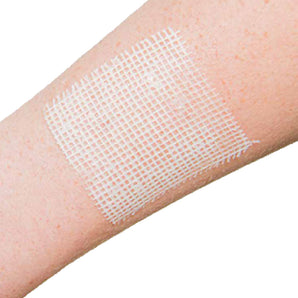


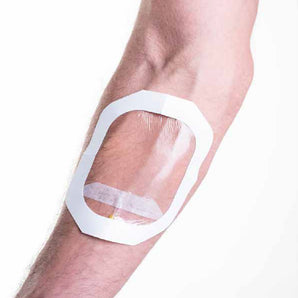



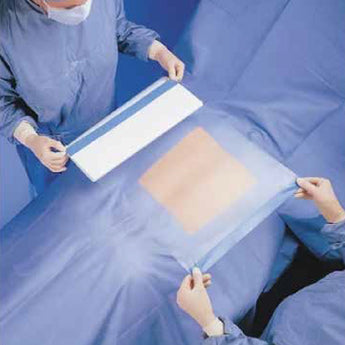
Discover More with Dynamed Pharmaceuticals
Looking for more? At Dynamed Pharmaceuticals, we offer a wide range of medical solutions to meet all your healthcare needs. Visit our Products Page to explore our full catalog, or check out our Services to learn more about our specialized offerings. For any inquiries or support, please Contact Us – our team is here to help.
Basic Wound Care: The Clinical Foundation of Modern Patient Recovery
Basic wound care is a fundamental pillar of healthcare, encompassing the professional management of acute and chronic injuries to ensure optimal physiological recovery. In the South African clinical landscape - characterised by high-volume surgical theaters and a growing need for chronic wound management—the deployment of a high-quality wound care product is not merely a commodity purchase but a critical medical intervention. Dynamed Pharmaceuticals, a youth-driven, ISO-certified manufacturer based in Durban, provides an elite range of dressings for wounds that meet the rigorous standards of SAHPRA and international regulatory frameworks.
Effectively implementing basic wound care requires a deep understanding of the environment in which wound healing occurs. For hospital procurement managers, clinical directors, and wound-care specialists, the choice of wound dressing types directly impacts clinical throughput, infection rates, and patient comfort. Whether managing a minor abrasion or a post-operative surgical site, the selection of an appropriate wound care product ensures that the biological processes of tissue repair are supported rather than hindered by the external environment.
The Science of Wound Healing: A Four-Phase Biological Journey
The physiological process of wound healing is a complex, overlapping sequence of cellular and biochemical events. To manage a patient successfully, healthcare professionals must be able to identify which phase a wound is in to apply the correct wound dressing types.
Phase 1: Hemostasis (The Immediate Response)
Hemostasis begins the moment the skin’s integrity is compromised. The primary goal is to arrest bleeding through vasoconstriction and the formation of a fibrin clot. During this stage, the choice of a wound care product often focuses on absorption and mechanical support.
Phase 2: Inflammation (The Cleaning Phase)
Lasting typically from one to six days, the inflammatory phase involves the migration of white blood cells (neutrophils and macrophages) to the site to stave off infection and clear debris. This is a critical window for basic wound care, as excessive inflammation can stall healing, leading to the need for advanced wound care interventions.
Phase 3: Proliferation (The Rebuilding Phase)
During proliferation, the focus shifts to angiogenesis (new blood vessel formation) and epithelialization. Connective tissue (granulation tissue) fills the wound bed, and the wound begins to contract. Using a Hydrogel Dressing during this phase can maintain the moisture balance required for these new cells to migrate across the wound surface.
Phase 4: Maturation and Remodeling (The Strengthening Phase)
The final stage can last for months or even a year as the collagen is reorganized and the scar tissue gains strength. While this phase occurs long after the initial injury, the success of remodeling is largely determined by the quality of basic wound care provided during the earlier, more vulnerable stages.
Essential Wound Dressing Types for Clinical Excellence
Matching the right dressing to the wound type is a specialized skill. Dynamed offers a comprehensive catalog of wound dressing types designed for specific clinical indications, ensuring that healthcare facilities in South Africa and the SADC region have stable access to elite medical consumables.
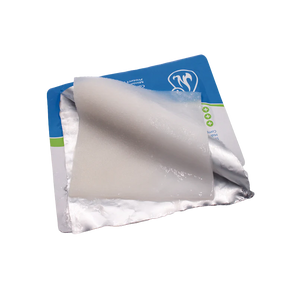
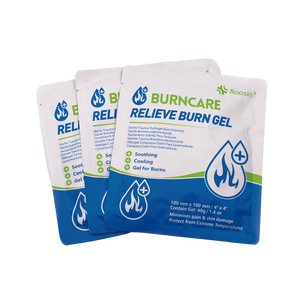
Sterile Burn Wound Dressing – Hydrogel for Burn Wound Care
Burn management requires immediate cooling and sustained hydration to prevent the deepening of the wound. The Sterile Burn Wound Dressing – Hydrogel for Burn Wound Care is engineered to provide an instant soothing effect while facilitating autolytic debridement. By trapping moisture, it supports wound healing without adhering to the sensitive wound bed, reducing trauma during dressing changes.
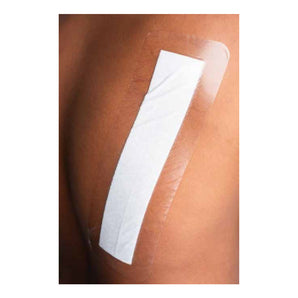
Non-Woven Island Dressing: The Post-Surgical Standard
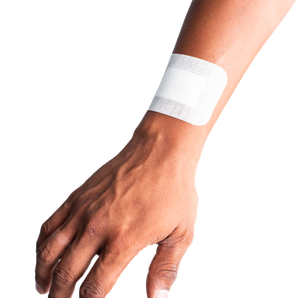
For surgical incisions, the Non Woven Island Dressing is a staple wound care product. It features a highly absorbent central pad surrounded by a breathable, non-woven adhesive border. This design ensures that exudate is managed effectively while the wound remains protected from bacterial contamination, a critical component of basic wound care protocols in theater environments.
Foam Dressing with Silver: Managing High-Risk Infections
When a wound is colonised or shows signs of infection, standard dressings for wounds may be insufficient. The Foam Dressing with Silver provides continuous antimicrobial activity by releasing silver ions into the wound bed. This is essential for advanced wound care scenarios where bioburden management is the primary goal to prevent systemic sepsis.
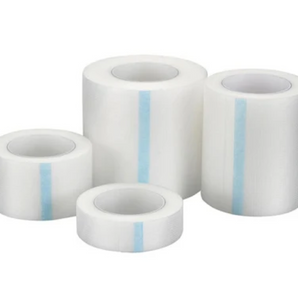
The Role of Non-Woven Surgical Tape in Securement
No basic wound care kit is complete without a reliable securement method. Non Woven Surgical Tape offers high-initial tack and long-term adhesion while remaining gentle on fragile skin. This balance is vital for ensuring that secondary dressings for wounds stay in place without causing medical adhesive-related skin injuries (MARSI).
Why Local South African Manufacturing Matters for Procurement
For hospital administrators and public-sector tender committees, the "where" and "how" of manufacturing are as important as the clinical performance. South Africa’s healthcare system requires partners that provide more than just a wound care product; it requires stability, transparency, and compliance.
ISO 13485 and SAHPRA Compliance
Dynamed Pharmaceuticals operates an ISO 8 cleanroom in Durban, ensuring that every wound care product is produced under sterile, controlled conditions. Our adherence to ISO 13485 standards and SAHPRA licensing guarantees that our basic wound care range meets the same elite benchmarks as global legacy suppliers. This local footprint simplifies procurement approvals and reduces the risks associated with international supply chain disruptions.
The Durban Advantage: Stable Supply for SADC
By manufacturing locally, Dynamed provides predictable lead times and reliable stock availability. This is non-negotiable for clinical directors managing large-scale rollouts or state-sector tenders. Supporting a South African manufacturer also aligns with regional goals of industrialisation and health-system resilience across the SADC region.
Comparison: Basic Wound Care vs. Advanced Wound Care
Understanding when to transition from basic wound care to advanced wound care is critical for clinical efficacy.
|
Feature |
Basic Wound Care |
Advanced Wound Care |
|
Wound Type |
Acute, clean surgical, minor trauma. |
Chronic, non-healing, infected, heavy exudate. |
|
Primary Goal |
Site protection, simple absorption. |
Bioburden control, moisture balance, debridement. |
|
Product Examples |
||
|
Healing Duration |
Following standard 4-phase timeline. |
Stalled in inflammatory or proliferative phase. |
While basic wound care focuses on facilitating the body’s natural wound healing process, advanced wound care employs active therapeutic agents (like silver or collagen) to kickstart healing in stalled wounds.
Best Practices for Clinicians: The TIME Framework
Professional wound management relies on the TIME acronym, a clinical framework used globally to assess the wound bed and select the most appropriate wound dressing types.
-
T - Tissue Management: Is there necrotic tissue that needs debridement? A Hydrogel Dressing can assist in softening slough.
-
I - Inflammation/Infection Control: Does the wound need antimicrobial intervention? Consider Foam Dressing with Silver to reduce bioburden.
-
M - Moisture Balance: Is the wound too dry or too wet? Selection of the correct wound care product ensures the wound bed stays moist but not macerated.
-
E - Edge of Wound: Is the wound edge contracting? Monitoring the edges is the most visible sign of successful wound healing.
Improving Patient Outcomes through Education and Precision
Healthcare professionals choose suppliers based on trust and proven adherence to standards. At Dynamed, we believe that basic wound care is an essential tool that directly affects clinical performance. Our youth-driven, responsive team is committed to innovation—not just supplying products, but supporting clinicians with the documentation and compliance data they need during audits.
The reality of patient care is high-pressure. Nurses and wound-care practitioners need dressings for wounds that are easy to use, gentle on the patient, and clinically proven. By investing in elite manufacturing standards and maintaining transparent communication, Dynamed ensures that medical professionals can work faster and safer without sacrificing patient comfort.
Conclusion: Partnering for Surgical and Wound Care Excellence
In conclusion, basic wound care is the cornerstone of effective healthcare delivery. From the initial hemostasis to the final remodeling of tissue, the quality of the wound care product used defines the patient’s recovery trajectory. Dynamed Pharmaceuticals is proud to offer a SAHPRA-compliant, locally manufactured range of dressings for wounds that meet global benchmarks for safety and precision.
Whether you are a procurement manager for a private hospital group or a clinical director for a public sector tender, Dynamed provides exactly what the South African medical audience values: reliable medical devices made in South Africa to global standards. Explore our full range of wound dressing types today and discover how our commitment to innovation and quality is improving wound healing outcomes across the SADC region.
Frequently Asked Questions (FAQ)
1. What is the difference between basic wound care and advanced wound care?
Basic care manages acute and clean wounds using protective and absorbent dressings. Advanced care involves active products like silver or growth factors for chronic or infected wounds.
2. Why is moisture balance critical for wound healing?
A moist environment allows cells like fibroblasts to migrate across the wound bed more easily. A dry wound forms a scab that acts as a physical barrier to new tissue growth.
3. Are Dynamed's dressings for wounds SAHPRA-compliant?
Yes, all Dynamed products are manufactured in an ISO 13485-certified facility and are fully licensed by SAHPRA for use in South Africa.
4. When should a Hydrogel Dressing be used?
Hydrogels are ideal for dry, sloughy, or necrotic wounds as they donate moisture to the wound bed, facilitating autolytic debridement.
5. How often should a Non Woven Island Dressing be changed?
Typically, these dressings should be changed every 1–3 days, or sooner if strike-through (leakage) is visible on the outer layer.