Dynadress
Non Woven Surgical Tape
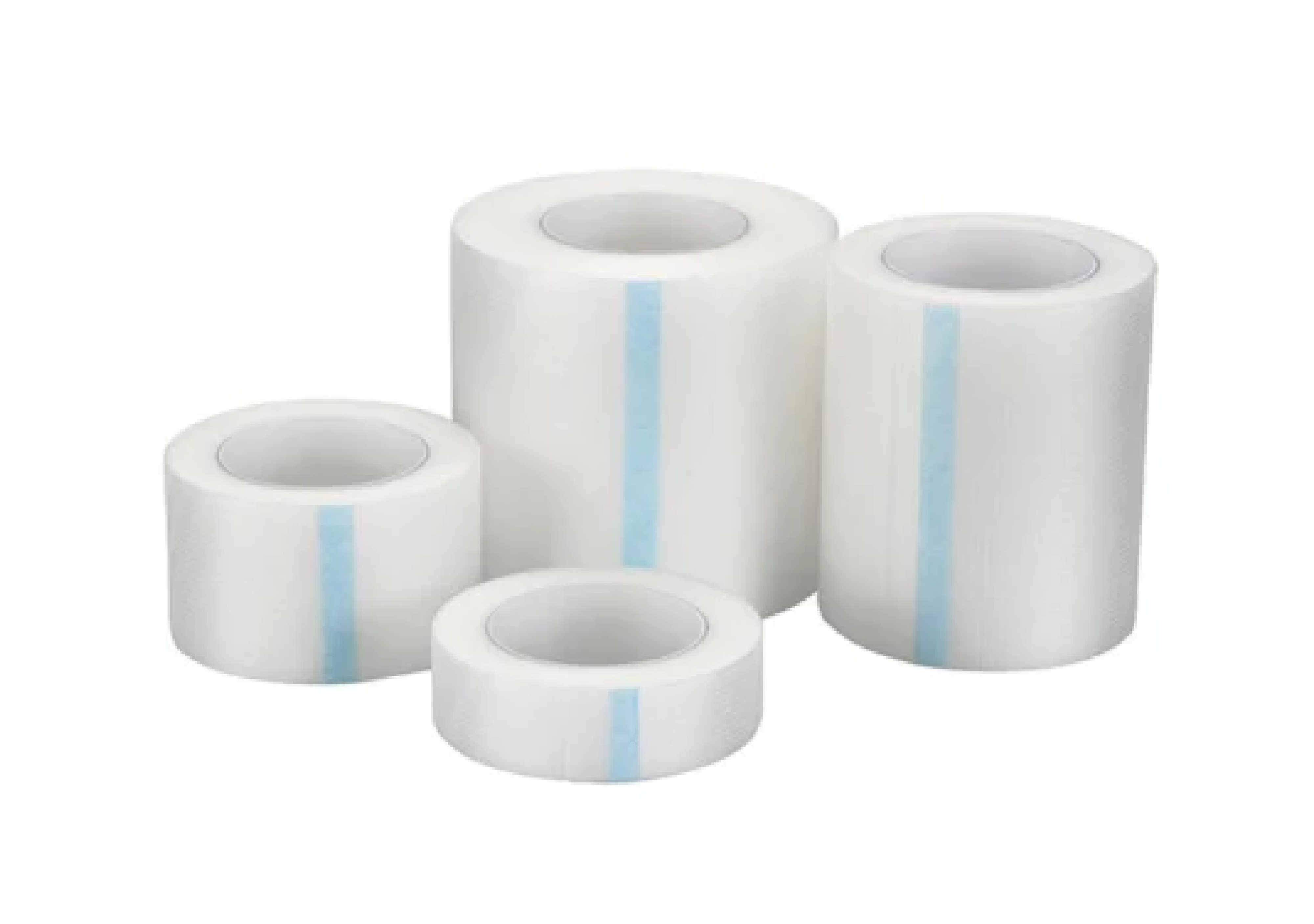
The Non Woven Surgical Tape provides gentle, breathable, and secure wound dressing support. Available in sizes ranging from 1.25cm to 10cm, this tape is ideal for medical environments requiring high-quality, sterile adhesive solutions for wound care.
Have feedback? Give us direct feedback here.
Surgical tape that’s soft on skin, strong on hold, and built for real wards
Tape is one of those things everyone uses, but nobody wants to talk about. Until it fails.
When a dressing lifts at the edge, when a line shifts, when a patient’s skin turns red after removal, suddenly tape becomes the main event. And in a busy South African ward, that’s the last thing you need. You want calm. You want control. You want something that just behaves.
That’s exactly where a non-woven surgical tape earns its keep.
Dynamed’s non-woven tape is designed for secure fixation while staying kinder to skin. It’s flexible, comfortable, and practical for everyday clinical work, from wound care and dressing reinforcement to light device and tubing fixation. It’s the sort of medical tape you can standardise across wards because it’s predictable.
And predictable is a big deal. It keeps nurses moving and patients settled.
Why “non-woven” isn’t a detail, it’s the whole story
Here’s the thing. A lot of tapes stick well on day one. The real test comes later: movement, sweat, bedding friction, repeated handling, and that moment when you need to remove it without making the patient wince.
Non-woven tapes are often chosen because they feel softer and conform better. They don’t act like stiff plastic. They move with the skin.
That can help with:
- patient comfort, especially for longer wear
- conformability around joints and curved anatomy
- reduced tugging during removal (when used correctly)
- a neater finish that supports good dressing practice
You know what? When teams say a tape is “nice to work with”, they usually mean it doesn’t fight them.
Not all surgical tapes belong in a clinical setting
It’s tempting to treat tape like a commodity. A roll is a roll, right?
But clinical fixation is a different world. A proper medical adhesive tape has to perform under pressure, literally and figuratively:
- it must hold without constant re-taping
- it must support dressing integrity
- it must work with your workflow, not slow it down
- it must respect skin, especially fragile or compromised skin
If tape is poor, you don’t just lose adhesion. You lose time. You lose confidence. And in wound care, confidence matters because it keeps the plan consistent.
Where this medical tape fits best
Dynamed’s non-woven medical tape is suited to everyday fixation and reinforcement needs across a wide range of clinical environments:
- securing primary and secondary dressings
- reinforcing dressing edges where lift is likely
- securing gauze and light absorbent pads
- anchoring light tubing and extension sets (where clinically appropriate)
- stabilising small devices or catheters as per facility protocol
- general bandaging support where a softer, conformable tape helps
It’s a straightforward product, but it touches almost every patient pathway: trauma, post-op care, chronic wound management, outpatient dressing changes, even home care.
That’s why tape choice matters. It’s everywhere.
The benefits you notice fast (and the ones you only notice when they’re missing)
A softer feel for patients
Non-woven adhesive medical tape tends to feel less harsh on the skin. For patients who’ve had multiple dressing changes, that comfort isn’t a luxury. It’s part of humane care.
Conformable hold on tricky anatomy
Hands, elbows, ankles, shoulders, paediatric limbs, elderly skin over bony prominences… these are places where stiff tapes can lift or crease. A conformable bandage tape can sit flatter and hold better with fewer wrinkles.
Less rework for staff
In practice, tape that holds well reduces re-taping and “quick fixes”. That means fewer interruptions during rounds and less time spent correcting what should’ve stayed secure.
Supports dressing integrity
A dressing is only as good as its seal and stability. If the edges lift, the environment changes. Moisture balance shifts, contamination risk rises, and the dressing plan becomes inconsistent. Reliable medical tapes help keep the plan intact.
A quick tangent: tape is the quiet partner in infection prevention routines
Tape doesn’t sterilise anything. It’s not a magic barrier. But it supports the practical side of infection control by helping keep dressings secure and reducing unnecessary dressing disturbance.
If a dressing stays neat and stable, staff are less likely to peel it back “just to check”, then reapply it. And every time a dressing is disturbed, you introduce risk and you disrupt the wound environment.
So no, tape isn’t an infection control device. But it supports infection control behaviour. That distinction matters.
How to apply surgical tape properly (so it doesn’t lift and doesn’t irritate)
Honestly, most tape failures come from the same few issues: moisture, tension, and rushed technique.
Here’s a repeatable approach:
- Prepare the skin
Clean and dry the area. If the skin is damp or oily, adhesion suffers. If the patient’s sweating, consider timing and placement carefully. - Avoid stretching the tape
Lay it down gently. Stretching tape during application can cause it to recoil and lift later, especially on movement-heavy areas. - Use enough contact area
Short strips lift easily. Slightly longer strips with more surface contact tend to hold better and distribute tension. - Smooth it down
Press from the centre outward, removing wrinkles and encouraging full contact. - Remove slowly, low and steady
When removing surgical tapes, pull back over itself at a low angle, supporting the skin. If required, use an adhesive remover per facility policy.
Small steps. Big difference.
What procurement teams care about (and clinicians quietly cheer for)
Standardisation reduces friction
When different wards use different tape types, you get variation in outcomes and complaints. Standardising a dependable medical tape reduces that variability and makes training simpler.
Predictable performance helps planning
Tape is a high-turnover item. If it performs inconsistently, consumption becomes erratic because staff use more to compensate: extra strips, extra layers, extra re-tapes. Consistent medical adhesive tape supports more stable usage patterns.
Less rework is a cost, even if it doesn’t show on the invoice
Time is a cost. Re-dressing, re-taping, calming patients, documenting skin reactions, managing small failures that become bigger problems… it all adds up. Reliable adhesive medical tape helps reduce those avoidable tasks.
Real-world fit for South African healthcare settings
South African facilities deal with high patient loads, varied infrastructure, and big differences between sites, even within the same group. What works in a private theatre environment isn’t always what works in a busy public medical ward, and vice versa.
That’s why practical consumables matter so much. A non-woven bandage tape that’s comfortable, conformable, and dependable becomes a safe choice across settings: tertiary hospitals, district facilities, clinics, ambulance services, occupational health providers, and home care.
And for distributors across the SADC region, the logic is similar: reliable products that suit multiple use cases reduce complexity in your catalogue and improve satisfaction downstream.
FAQs about non-woven medical tapes
Is this surgical tape suitable for sensitive skin?
Non-woven tapes are often selected for comfort, but patient factors still matter. For fragile skin (elderly, neonates, steroid use, compromised integrity), follow facility guidelines and consider skin protection measures where appropriate.
How long can it stay on?
Wear time depends on the application, skin condition, moisture exposure, and facility protocol. The goal is secure fixation without unnecessary disturbance. Replace if it lifts, becomes soiled, or tension increases.
Can it be used as bandage tape?
Yes, it can help secure gauze and light bandaging. Ensure the skin is clean and dry, and apply without stretching.
What if the patient is sweating or the area is high movement?
Focus on skin prep, avoid tension, and use enough surface area. On joints, consider placing tape in a way that supports movement rather than resisting it.
Does removal damage skin?
Removal technique is key. Remove slowly, low angle, support the skin, and use adhesive remover per policy if needed. Even the best medical adhesive tape benefits from careful removal.
The takeaway: a dependable surgical tape that supports quality care
Dynamed’s non-woven surgical tape is designed for the everyday demands of dressing fixation and general clinical support. It’s soft and conformable, built to hold securely, and suited to settings where workflow needs to stay smooth.
If you’re selecting products for a ward, a hospital group, a clinic network, a distributor portfolio, or a tender pack, this is the kind of tape that helps keep standards consistent without making life harder for staff or patients.
Ready to source this medical tape?
Use this product page to support your internal review, standardise your tape category, and reduce the everyday friction that comes from unreliable fixation.
- Request pricing for facility or multi-site supply
- Confirm volumes for distributor ordering
- Ask about availability and ongoing supply support across South Africa and the SADC region
When tape is right, everything feels calmer. And in clinical care, calm is a serious advantage.
Introducing our Non Woven Surgical Tape, an essential tool for secure wound dressing in medical settings. This high-quality surgical tape offers superior adhesion while maintaining comfort for patients with sensitive skin. Designed for secure fixation of bandages and dressings, this tape is both durable and breathable, ensuring optimal wound care.
Why Choose Non Woven Surgical Tape?
- Breathable & Flexible: Made from soft, non-woven fabric, it allows air circulation to promote faster healing.
- Gentle on Skin: Ideal for patients with sensitive skin, this medical tape is non-irritating, ensuring comfort during prolonged use.
- Reliable Adhesion: Provides secure fixation for bandages, gauze, and other dressings, offering dependable wound care.
- Available in Various Sizes: Choose from multiple sizes (1.25cm, 2.5cm, 5cm, 7.5cm, and 10cm) to suit various wound care needs.
Applications of Non Woven Surgical Tape
- Wound Dressing: Secures dressings and bandages, ensuring they stay in place during treatment.
- Post-Surgical Care: Helps manage post-operative wounds by keeping gauze or other coverings secure.
- IV & Catheter Securing: Safely holds medical devices like IVs and catheters in place without causing skin irritation.
Key Features:
- Hypoallergenic Material: Ensures safety for all skin types.
- Sterile and Hygienic: Each roll is sterilized for immediate use in hospitals, clinics, or home care.
- Easy Application & Removal: Non-woven design allows for painless removal without leaving adhesive residue.
Available Sizes:
- 1.25cm
- 2.5cm
- 5cm
- 7.5cm
- 10cm
This product provides reliable adhesion while minimising discomfort. Whether used in hospitals or at home, Non Woven Surgical Tape ensures secure wound care, post-surgical dressing, and more.
Frequently Asked Questions
What is surgical tape used for?
Surgical tape is used to secure dressings, bandages, and medical devices like IVs and catheters to the skin.
Is non-woven surgical tape suitable for sensitive skin?
Yes, non-woven surgical tape is made from gentle, hypoallergenic materials that minimise skin irritation.
What sizes are available for surgical tape?
Non-woven surgical tape is available in 1.25cm, 2.5cm, 5cm, 7.5cm, and 10cm widths.
Can surgical tape be used on wounds?
Yes, surgical tape is ideal for securing wound dressings and gauze pads to ensure they stay in place.
Is surgical tape waterproof?
While surgical tape is breathable and flexible, it is not typically waterproof. However, it provides reliable adhesion even in moist conditions.
How do I remove surgical tape without pain?
Non-woven surgical tape is designed for easy removal without causing pain or leaving adhesive residue.
Can surgical tape be sterilised?
Surgical tape, including non-woven varieties, and is pre-sterilised for medical use.
What is the difference between micropore and non-woven surgical tape?
Micropore surgical tape is made from paper-like materials, while non-woven surgical tape is fabric-based, offering better flexibility and breathability.
How long can surgical tape be left on?
Surgical tape can generally be left on for 24 to 48 hours, but it depends on the medical professional's recommendation and the patient’s skin sensitivity.
Is non-woven surgical tape reusable?
No, surgical tape is intended for single-use to ensure hygiene and prevent infection.