Chlorhexidine Gauze Dressing
Chlorhexidine Gauze Dressing: The Gold Standard for Antimicrobial Wound Care
Chlorhexidine Gauze Dressing is a fundamental component in the management of surgical, traumatic, and chronic wounds where infection prevention is a clinical priority. In the South African healthcare landscape, where the burden of hospital-acquired infections (HAIs) and the prevalence of antibiotic-resistant bacteria like MRSA are significant, choosing a high-performance wound dressing is not merely a procurement decision—it is a patient safety imperative. Dynamed Pharmaceuticals, a leading Durban-based manufacturer, provides a medical-grade Chlorhexidine Gauze Dressing engineered to meet the stringent demands of modern clinical environments.
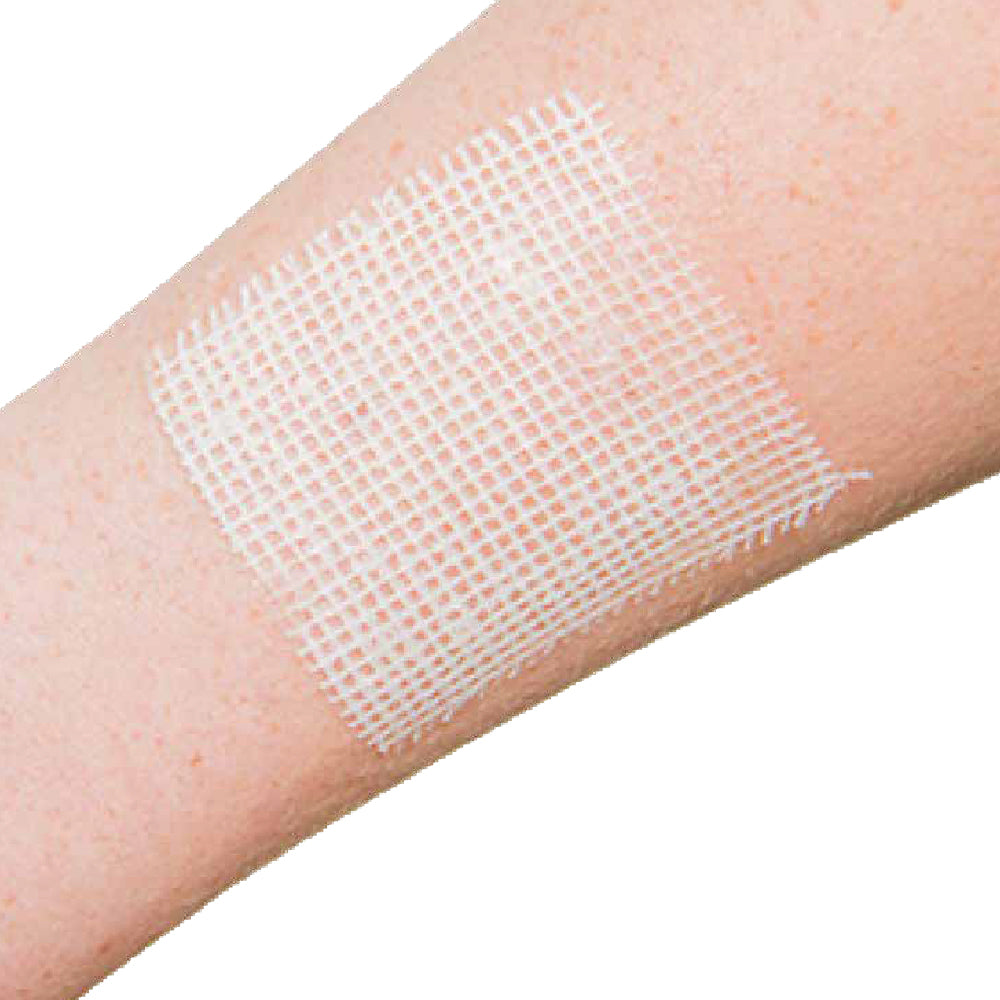
This advanced gauze dressing consists of a cotton leno-weave fabric impregnated with a soft paraffin base containing 0.5% Chlorhexidine Acetate. The unique combination of a non-adherent barrier and a broad-spectrum antiseptic makes it the preferred gauze dressing for wounds that are at high risk of microbial colonization. Whether used in neonatal wards, burn units, or surgical theatres, this dressing ensures that the wound bed remains moist while actively reducing the bacterial load, thereby accelerating the natural healing process and reducing the frequency of dressing changes.
Understanding the Efficacy of Chlorhexidine Gauze Dressing
The clinical efficacy of Chlorhexidine Gauze Dressing stems from its active ingredient, Chlorhexidine Acetate. Unlike systemic antibiotics, this topical antiseptic provides immediate and sustained antimicrobial action directly at the site of the injury. According to research published in the Journal of Hospital Infection, Chlorhexidine is effective against a wide array of Gram-positive and Gram-negative bacteria, including Staphylococcus aureus and Pseudomonas aeruginosa. This broad-spectrum coverage is essential for a high-quality wound dressing designed for the complex wound profiles encountered in South African public and private healthcare facilities.
The Role of Paraffin in Non-Adherent Healing
A critical challenge in wound management is the trauma caused during the removal of traditional dressings. When a dry gauze dressing adheres to the granulating tissue of a healing wound, its removal can strip away newly formed epithelial cells, causing pain and delaying recovery. Dynamed’s Paraffin Gauze technology addresses this by providing a soothing, non-adherent layer. The paraffin acts as a lubricant, ensuring that the paraffin gauze dressing can be lifted away without damaging the delicate wound bed. This feature is particularly vital for skin graft donor sites and minor burns, where tissue preservation is paramount.
Key Indications for Chlorhexidine Gauze Dressing for Wounds
Clinicians across various disciplines utilize Chlorhexidine Gauze Dressing for a diverse range of indications. Understanding when to deploy this specific wound dressing is key to optimizing clinical outcomes.
1. Management of Infected Wounds
For wounds already showing signs of infection—such as redness, swelling, or purulent exudate—the gauze dressing for wounds impregnated with chlorhexidine serves as a primary antimicrobial layer. It inhibits the proliferation of pathogens, allowing the body’s immune system to manage the underlying infection more effectively.
2. Prophylaxis in High-Risk Patients
In surgical settings, preventing an infection before it starts is the primary goal. Patients with comorbidities such as diabetes or those undergoing long-term steroid therapy often have compromised immune responses. Using a paraffin gauze dressing with antiseptic properties provides an extra layer of defense during the critical first 48 to 72 hours post-surgery.
3. Skin Graft Donor and Recipient Sites
Split-thickness skin grafts require a sterile, moist, and non-traumatic environment to "take" successfully. A Paraffin Gauze enriched with chlorhexidine is the clinical standard for protecting donor sites from environmental contaminants while facilitating rapid re-epithelialization.
4. Minor Burns and Scalds
Partial-thickness burns are highly susceptible to infection. The cooling and soothing nature of a gauze dressing with a paraffin base provides immediate relief to the patient, while the chlorhexidine component ensures that the damaged skin remains free from bacterial invasion.
Why Dynamed is the Preferred Partner for Wound Care in South Africa
For healthcare procurement managers and clinical directors, the choice of a Chlorhexidine Gauze Dressing manufacturer involves more than just price. It involves trust in the manufacturing process and the reliability of the supply chain. Dynamed Pharmaceuticals stands out as a youth-driven, innovative manufacturer that prioritizes international standards in every batch produced.
ISO 13485 and SAHPRA Compliance
Quality assurance is non-negotiable in medical device manufacturing. Dynamed operates an ISO 8 cleanroom environment, ensuring that every wound dressing is produced under sterile conditions. Our adherence to ISO 13485 standards and SAHPRA (South African Health Products Regulatory Authority) regulations guarantees that our products meet the same safety and performance benchmarks as global pharmaceutical giants.
Locally Manufactured for the SADC Region
By choosing a South African manufacturer, healthcare providers reduce their reliance on expensive and unpredictable imports. Dynamed provides stable lead times and consistent product availability across South Africa and the broader SADC (Southern African Development Community) region. This local footprint is essential for public sector tender committees who are mandated to support local industrialisation without compromising on clinical quality.
Comparative Analysis: Standard Paraffin Gauze vs. Chlorhexidine Gauze Dressing
While both dressings utilize a paraffin base, the addition of Chlorhexidine Acetate creates a distinct clinical profile.
|
Feature |
Standard Paraffin Gauze |
Chlorhexidine Gauze Dressing |
|
Primary Function |
Moist wound environment |
Antimicrobial barrier + Moist environment |
|
Antiseptic Action |
None |
Broad-spectrum (0.5% Chlorhexidine) |
|
Infection Risk |
For clean, non-infected wounds |
For infected or high-risk wounds |
|
Adherence |
Low (Non-adherent) |
Low (Non-adherent) |
|
Application |
Lacerations, abrasions |
Surgical sites, donor sites, burns |
A standard paraffin gauze dressing is excellent for maintaining hydration in a clean wound, but in environments where the risk of sepsis is high, the medicated gauze dressing for wounds is significantly more effective at preventing adverse clinical outcomes.
Application and Removal: A Clinical Best Practice Guide
To maximize the benefits of a Chlorhexidine Gauze Dressing, medical professionals must follow established protocols for application and removal.
-
Wound Preparation: Cleanse the wound area using a sterile saline solution. Ensure the surrounding skin is dry to facilitate the adherence of a secondary wound dressing (such as an adhesive film or crepe bandage).
-
Application: Using sterile forceps, remove the gauze dressing from its peelable pouch. Place it directly over the wound bed. Ensure the dressing covers the entire wound area and extends slightly onto the healthy skin.
-
Secondary Dressing: Since a paraffin gauze dressing is not absorbent, it must be covered with an absorbent secondary layer, such as sterile cotton gauze or a foam dressing, to manage exudate.
-
Frequency of Change: The dressing should be changed based on the level of exudate and the clinical status of the wound. In highly infected wounds, daily changes may be necessary. In clean, granulating wounds, the dressing can remain in place for several days.
-
Safe Removal: If the gauze dressing for wounds appears to have dried, it can be moistened with sterile saline to ensure a painless, trauma-free removal.
The Importance of Broad-Spectrum Protection in Modern Wound Care
As antibiotic resistance continues to rise globally, the medical community is shifting toward "Antimicrobial Stewardship." This practice involves using topical antiseptics like Chlorhexidine to manage local infections, thereby preserving systemic antibiotics for more severe cases. The Chlorhexidine Gauze Dressing is a frontline tool in this effort.
The 0.5% concentration of Chlorhexidine Acetate is specifically chosen because it is lethal to pathogens but gentle on human cells. High-concentration antiseptics can sometimes be cytotoxic, meaning they kill the very cells trying to heal the wound. Dynamed’s gauze dressing is formulated to strike the perfect balance—eliminating bacteria while supporting the proliferation of fibroblasts and keratinocytes.
Procurement Excellence for Hospital Administrators
Hospital procurement is a complex balancing act between clinical efficacy and budgetary constraints. Dynamed understands the operational realities of healthcare facilities in South Africa. Our Chlorhexidine Gauze Dressing offers a cost-effective alternative to expensive imported dressings without sacrificing performance.
Bulk Supply and Consistency
We offer our paraffin gauze dressing in various sizes, including the standard 10cm x 10cm and 10cm x 40cm formats, suitable for both minor procedures and large-scale surgical needs. Because we manufacture in-house, we can ensure batch-to-batch consistency, which is a critical requirement for hospital audits and quality control checks.
Supporting the South African Economy
By partnering with Dynamed, institutions contribute to the growth of the local medical device manufacturing sector. This supports job creation and enhances the country's health systems resilience, as seen during global supply chain disruptions where local manufacturers were the only ones able to maintain stock levels.
Safety Considerations and Contraindications
While Chlorhexidine Gauze Dressing is safe for the majority of patients, there are specific contraindications that clinicians must observe:
-
Hypersensitivity: Do not use on patients with a known allergy to Chlorhexidine Acetate or paraffin.
-
Body Cavities: This gauze dressing should not be used in deep body cavities or on internal organs.
-
Brain and Meninges: Avoid contact with the brain, meninges, or the middle ear, as chlorhexidine can be neurotoxic in these specific areas.
-
Eye Contact: If the antiseptic comes into contact with the eyes, rinse immediately with large amounts of water.
According to the World Health Organization (WHO), maintaining a sterile field and using validated wound dressing products are the most effective ways to prevent surgical site infections (SSIs). Dynamed’s products are designed to align with these global best practices.
Conclusion: Elevating Wound Care Standards
The Chlorhexidine Gauze Dressing represents the intersection of tradition and innovation in medical science. By taking the proven benefits of Paraffin Gauze and enhancing it with the antimicrobial power of chlorhexidine, Dynamed has created a product that meets the highest clinical expectations.
For healthcare providers in South Africa, choosing Dynamed means choosing a partner committed to excellence. Our gauze dressing for wounds is more than just a consumable; it is a vital tool in the fight against infection and a catalyst for patient recovery. Whether you are a wound-care specialist in a private practice or a procurement manager for a national hospital network, Dynamed provides the reliability, safety, and innovation you need to deliver exceptional care.
Explore our full range of sterile products and see why Dynamed is Africa's leading wound care manufacturer. Our commitment to quality, backed by ISO 13485 certification and a state-of-the-art Durban facility, ensures that every paraffin gauze dressing we produce is ready to perform in the most demanding clinical scenarios.
Technical Specifications for Procurement
-
Product Name: Chlorhexidine Gauze Dressing B.P. (Sterile)
-
Composition: 100% Cotton Leno-weave, White Soft Paraffin, 0.5% Chlorhexidine Acetate.
-
Sterilization Method: Gamma Irradiation or Ethylene Oxide (EO).
-
Packaging: Individually wrapped in medical-grade peelable pouches.
-
Regulatory Status: SAHPRA Registered; ISO 13485:2016 Certified.
-
Sizing Available: 5cm x 5cm, 10cm x 10cm, 10cm x 40cm.
Frequently Asked Questions (FAQs)
1. Is Chlorhexidine Gauze Dressing safe for children?
Yes, it is generally safe for pediatric use, but it should be used with caution in neonates. Always consult a pediatrician for specific wound management protocols in infants.
2. Can I use this wound dressing on a dry wound?
While the paraffin base provides some moisture, a paraffin gauze dressing is best suited for wounds that have a light to moderate level of exudate. For very dry, necrotic wounds, a hydrogel may be more appropriate for debridement.
3. How does this compare to silver-based dressings?
Both provide antimicrobial protection. However, Chlorhexidine Gauze Dressing is often more cost-effective for routine surgical and trauma wounds, whereas silver is typically reserved for more complex, non-healing chronic ulcers.
4. Where is Dynamed’s gauze dressing manufactured?
All our sterile wound care products are manufactured in our ISO 8 cleanroom facility located in Durban, South Africa.
5. Does this gauze dressing for wounds prevent MRSA?
Yes, Chlorhexidine Acetate has proven efficacy against Methicillin-resistant Staphylococcus aureus (MRSA), making it an excellent choice for infection control in hospital settings.
This sterile chlorhexidine gauze dressing is designed for the management of infected wounds or those at high risk of infection. Impregnated with 0.5% chlorhexidine acetate in a soft paraffin base, the dressing offers broad-spectrum antimicrobial protection against gram-positive and gram-negative bacteria.
It maintains a moist wound environment while reducing bacterial load, making it ideal for:
- Surgical wounds
- Skin graft sites
- Minor burns
- Lacerations and abrasions
- Chronic or infected ulcers
Key Features:
- Non-adherent gauze: Prevents trauma during dressing changes
- Broad-spectrum antiseptic action: Effective against common wound pathogens
- Moisture-retaining: Promotes healing and patient comfort
- Sterile and ready to use
Available Sizes:
- 10cm × 10cm
- 10cm × 40cm
Suitable for both hospital and outpatient use, this dressing supports effective infection management and optimal healing conditions.