Dynadress
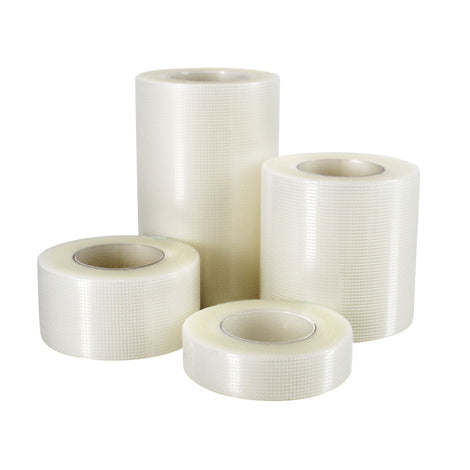
Transparent Surgical Tape
Our transparent surgical tape is designed to support common tasks across wards, theatres, emergency units, outpatient settings, and home care. It’s not trying to be everything at once. It’s trying to be dependable, every day.
Typical uses include:
- securing primary or secondary dressings
- reinforcing dressing edges where lift is likely
- holding gauze in place for quick coverage
- securing IV lines, extension sets, and light tubing
- stabilising catheters or devices (where tape is clinically appropriate)
- supporting wound sites that need visibility and easy monitoring
Surgical tape that stays put, looks clean, and keeps workflow moving
If you’ve ever watched a dressing shift during a busy ward round, you’ll know the quiet frustration. The wound care plan is right. The team is doing the right things. But the tape lifts, curls, or loses its seal, and suddenly you’re back at square one.
That’s why a dependable surgical tape matters more than people admit.
Dynamed’s transparent tape is designed for daily clinical use: securing dressings, holding tubing, anchoring devices, and supporting neat, low-fuss wound management. It’s the sort of product that doesn’t demand attention, but it earns trust because it performs consistently.
And that consistency is the whole point, isn’t it? In healthcare, “small” consumables aren’t small. They carry the routine.
Not all surgical tapes are created equal (and everyone learns this the hard way)
Here’s the thing. Tape looks simple. It’s a roll. It sticks. End of story.
But in a clinical environment, tape has to do more than stick. It needs to:
- hold on through movement, bedding friction, and routine handling
- stay neat enough for quick visual checks
- work with different dressings and devices
- remove without turning skin into a second wound
So yes, you can buy any roll and call it a day. But if it fails at the bedside, it creates extra changes, more patient discomfort, and more time spent fixing what should’ve been stable.
That’s why clinicians and procurement teams often standardise on reliable medical tapes. Less variation means fewer surprises.
What this medical tape is made to do in real clinical life
This transparent medical tape is designed to support common tasks across wards, theatres, emergency units, outpatient settings, and home care. It’s not trying to be everything at once. It’s trying to be dependable, every day.
Typical uses include:
- securing primary or secondary dressings
- reinforcing dressing edges where lift is likely
- holding gauze in place for quick coverage
- securing IV lines, extension sets, and light tubing
- stabilising catheters or devices (where tape is clinically appropriate)
- supporting wound sites that need visibility and easy monitoring
If you’re thinking, “That’s basically everywhere,” you’re not wrong. Tape is one of those universal tools. It touches almost every patient pathway.
Transparent tape is a small detail with big consequences
A transparent medical adhesive tape has a quiet advantage: visibility.
When you can see what’s happening underneath, teams can:
- check placement without peeling and reapplying
- monitor skin response around dressing edges
- spot early lifting before it becomes a full failure
- keep lines and tubing organised, especially during handovers
And handovers are where tiny problems become big ones. You want the next team to walk in and instantly understand what’s secured, what’s clean, and what needs review.
Transparency helps with that.
Comfort matters, even when nobody says it out loud
Let’s be honest. Patients don’t always complain about tape, but they feel it. Pulling. Tightness. That “burny” sensation on fragile skin. You’ll see it when they flinch during removal.
A well-designed adhesive medical tape helps reduce that drama. It supports secure adhesion, while still allowing sensible removal technique.
And yes, technique matters. Tape can be great, then removal turns it into a nightmare if it’s rushed. The best products still need a bit of care at the end.
So what makes this tape a solid choice?
This is where we keep it practical. Dynamed’s transparent bandage tape is made for clinical environments where routine tasks need to be quick, clean, and repeatable.
A few benefits that show up fast:
- Clean look and easy visibility: supports monitoring and tidy placement
- Reliable hold: helps keep dressings and devices stable through daily activity
- Workflow-friendly: fewer re-tapes, fewer “fixes”, less interruption
- Versatile use: suitable for a wide range of everyday applications
It’s a mild contradiction, but it’s true: tape should be forgettable. When tape does its job, nobody talks about it. That’s success.
A quick tangent: tape is often the hidden driver of dressing performance
You can have the best dressing protocol on paper. Right product, right frequency, right wound assessment. But if the dressing edges aren’t secured well, the plan collapses.
It’s like putting a decent tyre on a wheel with loose bolts. The tyre isn’t the problem, but it takes the blame.
That’s why teams who care about outcomes pay attention to medical tapes. It’s not glamorous. It’s foundational.
How to apply surgical tape so it stays put (without annoying the skin)
You don’t need a fancy method. You need consistency.
- Prep the skin
Clean and dry the area. Moisture, oils, and lotions reduce adhesion. It’s simple, but it’s often the culprit. - Avoid stretching the tape
If you stretch tape as you apply it, it can recoil and lift. Lay it down gently instead. - Use enough surface area
Small strips placed under tension lift easily. Slightly longer strips with good contact usually hold better. - Smooth from the centre out
Press down from the middle and work outward to reduce wrinkles and edge lift. - Removal: slow, low angle
Remove slowly, keeping the tape close to the skin (low and parallel rather than pulling up). If needed, use a suitable adhesive remover per facility protocol.
These steps sound basic because they are. But basics are what keep wards running.
Standardise it, and you reduce risk
Procurement teams often sit with a tricky balance: clinical preference vs cost, availability vs variation, brand choices vs tender compliance. Tape can become a messy category because people buy whatever’s available, then staff work around it.
Standardising on a reliable medical tape helps because it reduces:
- variation in adhesion and wear behaviour
- confusion across wards and shifts
- unexpected product failures that trigger rework
- patient complaints caused by poor wear or harsh removal
It’s not just a supply decision. It’s a quality decision.
For distributors and multi-site groups: why this product is easy to support
If you’re supplying across multiple sites, you’ll care about predictable stock flow and repeatable product use. Tape is a high-turnover item. When it’s inconsistent, the impact shows up quickly and loudly.
Dynamed serves healthcare partners who want:
- dependable availability
- consistent batches and predictable performance
- a manufacturer that understands clinical realities, not just retail demand
That “partner” mindset matters, especially when tenders, audits, and facility governance are involved. You need suppliers who can support the paper trail as well as the product.
Frequently asked questions about surgical tapes
Is this surgical tape suitable for sensitive skin?
Skin tolerance varies by patient, site, and wear time. For high-risk skin (elderly, neonates, fragile skin, steroid use), follow facility guidance and consider additional skin protection approaches as clinically indicated.
How long can the tape stay on?
That depends on the application, patient activity, and local protocol. The goal is secure, clean fixation without unnecessary disruption. If edges lift, replace rather than patch endlessly.
Can I use this as a bandage tape over gauze?
Yes, it’s commonly used to secure gauze and light dressings. Ensure the skin is dry and the dressing isn’t creating excess tension at the tape edge.
Does transparent tape reduce infection risk?
Tape itself is not a sterile field, but transparent medical adhesive tape can support cleaner fixation and reduce unnecessary dressing checks that disturb the site. Infection prevention still relies on correct wound care, aseptic technique, and appropriate product selection.
What’s the best way to avoid edge lift?
Good skin prep, no stretching during application, enough surface area, and smoothing the tape down properly. Those four steps solve most lift problems.
The bottom line: a practical tape that keeps care neat
Dynamed’s transparent adhesive medical tape is built for the daily realities of wound care and device fixation. It supports tidy placement, quick checks, and reliable hold. It helps teams work faster without turning patients into collateral damage.
If you’re reviewing consumables for a ward, a clinic group, a distributor catalogue, or a tender pack, this is one of those “quiet win” products. No drama. No fuss. Just steady performance.
Ready to source this medical tape?
Use this page to support your internal selection process and standardise your tape category with confidence. Then move to action:
- Request pricing for single-site or bulk supply
- Confirm expected volumes for multi-site groups
- Ask about distributor support across South Africa and the SADC region
- Select the format that fits your day-to-day fixation needs
When tape is reliable, everything around it feels easier. And in clinical care, “easier” is never trivial.