Transparent Adhesive Dressing – Bordered
Transparent wound dressing: The Definitive Guide to Advanced Site Protection and Infection Control
Transparent wound dressing technology has revolutionised the way modern healthcare facilities approach wound care and catheter site management. In the demanding clinical environments of South Africa, from the high-pressure wards of Netcare and Mediclinic to public sector regional hospitals, the need for a reliable, sterile, and breathable barrier is paramount. Dynamed Pharmaceuticals, a youth-driven medical device manufacturer based in Durban, provides an elite Transparent Adhesive Dressing range designed to meet these exacting standards. By combining advanced polymer science with a deep understanding of South African clinical workflows, our products ensure that patient outcomes are prioritised while operational costs are streamlined.
Choosing a transparent wound dressing is not merely about selecting a transparent plaster; it is about implementing a clinical strategy that allows for continuous site observation without the risk of contamination. Whether it is a Transparent IV Dressing used to secure a peripheral line or a transparent dressing for burns used to maintain a moist healing environment, the technical specifications of the dressing—such as its Moisture Vapor Transmission Rate (MVTR) and adhesive integrity—directly influence healing trajectories.
The Science of Transparent Wound Care: Material and Membrane Technology
To understand why a transparent wound dressing is superior to traditional woven materials, one must examine the material science of the polyurethane film. Unlike older, occlusive dressings, a modern Transparent Adhesive Dressing is semi-permeable. This means it acts as a selective filter: it is occlusive to liquids, bacteria, and viruses, yet allows for the exchange of oxygen, carbon dioxide, and water vapour.
This specific characteristic of transparent wound care is measured by its MVTR. A high MVTR prevents moisture build-up under the dressing, which is the primary cause of skin maceration and the proliferation of skin flora that leads to infection. Dynamed’s Transparent IV Dressing is engineered to balance this breathability with a secure, hypoallergenic adhesive seal, ensuring that the site remains dry and healthy even during extended wear times.
Bacterial and Viral Barrier Capabilities
In the context of infection prevention, the transparent wound dressing serves as a formidable frontline defence. Laboratory tests have demonstrated that high-quality polyurethane films can block microbes as small as 25 nanometres, which includes common hospital-acquired pathogens like MRSA, Pseudomonas aeruginosa, and even certain viral particles.
For the South African healthcare professional, using a Transparent Adhesive Dressing provides the "peace of mind" that the patient’s wound or IV site is isolated from the external environment. This is particularly critical in busy emergency units and theatres where the risk of cross-contamination is heightened. By utilising transparent wound care, clinicians can maintain a sterile field while still having the visibility required to check for early signs of phlebitis, redness, or leakage.
Key Clinical Applications for Transparent Adhesive Dressing
The versatility of transparent wound dressing solutions makes them essential across various medical disciplines. Dynamed’s products are designed to be "multitools" in the nursing kit, serving several critical functions:
1. Securement with the Transparent IV Dressing
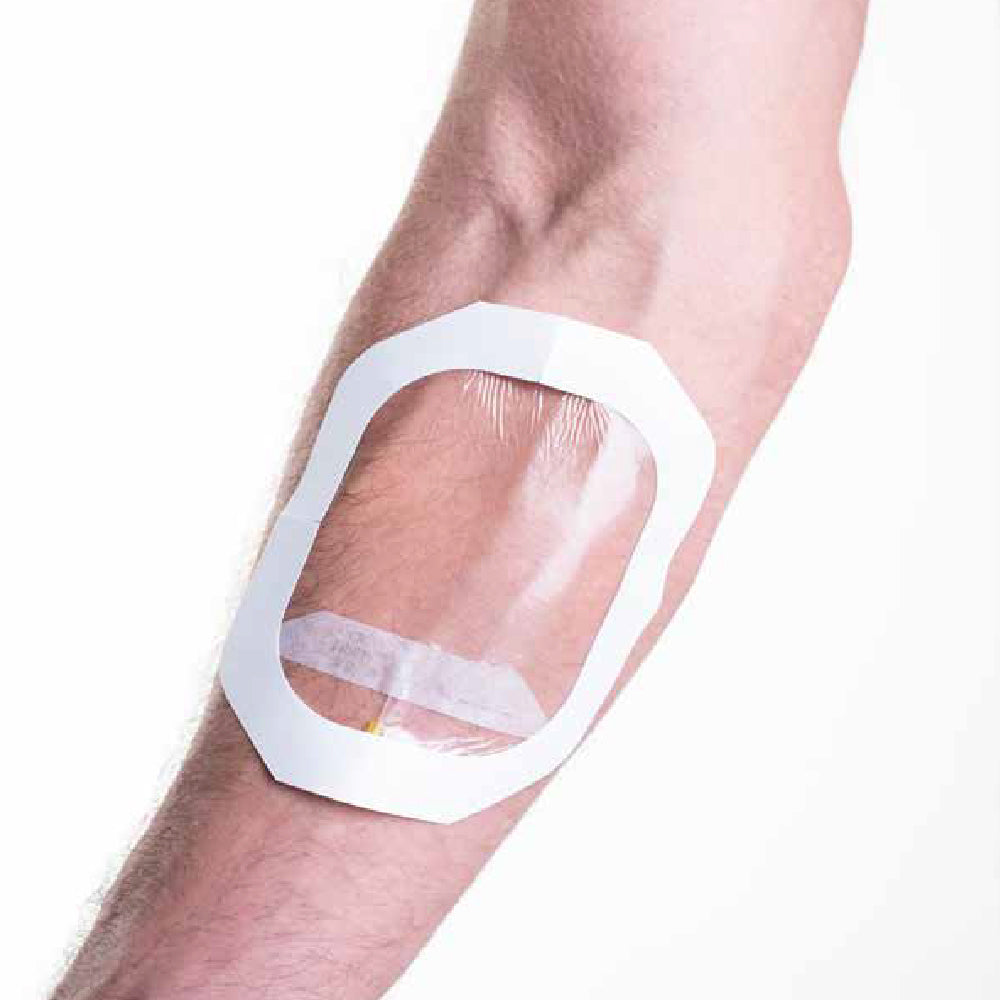
The most common application for these films is the securement of peripheral and central venous catheters. A Transparent IV Dressing must do two things simultaneously: secure the device to prevent dislodgement and allow for visual inspection of the insertion site.
Dynamed’s bordered Transparent IV Dressing includes a reinforced edge that provides extra stability on moving joints or sweaty skin. This reduces the need for "check by peeling," a practice that often introduces bacteria to the site. In wound care, preventing catheter-related bloodstream infections (CRBSIs) is a top priority, and the transparent wound dressing is an evidence-based tool for achieving this goal.
2. Protecting Surgical Incisions and Sutures
Post-operative wound care requires a dressing that protects the incision while allowing the patient to maintain basic hygiene. Because a Transparent Adhesive Dressing is waterproof, patients can shower without compromising the sterility of their sutures. This increases patient comfort and compliance, which are vital for successful recovery.
Furthermore, the transparency allows the surgical team to monitor the healing process without removing the dressing. Every unnecessary dressing change is a potential opportunity for pathogens to enter the wound. By using transparent wound care, the clinical team can extend the wear time of the primary dressing up to seven days, depending on exudate levels.
3. The Role of transparent dressing for burns in Moist Healing
For partial-thickness burns, maintaining a moist environment is essential for autolytic debridement and rapid re-epithelialization. A transparent dressing for burns prevents the wound bed from drying out, which can cause pain and delay healing.
Clinical research published in journals such as the Journal of Burn Care & Research (Source: Burn Care Science) has shown that semi-permeable films help trap natural wound fluids, which contain essential growth factors and enzymes. Using a transparent wound dressing for minor burns and scalds reduces the formation of scabs, leading to better cosmetic outcomes and less scarring.
4. Prophylaxis for Pressure Ulcers
In long-term care facilities and ICU settings, the Transparent Adhesive Dressing is used as a protective cover for at-risk skin. Applied to areas like the sacrum or heels, the film reduces friction and shear forces, which are the primary drivers of Stage I pressure injuries. While it is not a replacement for regular patient turning, it serves as a valuable adjunct in a comprehensive wound care protocol.
Why South African Healthcare Trusts Dynamed’s Transparent wound dressing
As a local manufacturer, Dynamed Pharmaceuticals understands the unique logistical and regulatory challenges of the South African medical landscape. Procurement managers and clinical directors choose our transparent wound dressing not just for its clinical performance, but for the stability and trust we offer as a partner.
ISO 13485 and SAHPRA Compliance
Safety in wound care is non-negotiable. Dynamed is licensed by the South African Health Products Regulatory Authority (SAHPRA) and operates under a strict ISO 13485 quality management system. Our Transparent Adhesive Dressing is produced in an ISO 8 cleanroom environment in Durban, ensuring that every unit is sterile and free from contaminants. For hospital procurement teams, this certification simplifies the audit process and guarantees that the facility is using products that meet international safety benchmarks.
The Durban Advantage: Supply Chain Stability
In an era of global supply chain disruptions, relying on imported transparent plaster options can be risky. Stockouts of essential Transparent IV Dressing units can halt theatre schedules and increase the risk of infection in wards.
By sourcing from Dynamed, South African hospitals benefit from predictable lead times and locally held stock. Our commitment to the SADC region ensures that medical distributors and public sector partners have access to high-quality transparent wound care consumables without the hidden costs of international shipping and currency volatility.
Optimising Patient Comfort: The Patient-Centric Side of Transparent wound care
Beyond the technical data, the transparent wound dressing is designed for the human experience of healing. Traditional dressings can be bulky, restrictive, and painful to remove. Dynamed’s Transparent Adhesive Dressing addresses these issues:
- Conformability: The thin, flexible polyurethane film stretches with the skin. This is particularly important for wounds on joints or areas with high movement.
- Hypoallergenic Adhesive: Skin irritation is a common complaint in long-term wound care. Our adhesive is latex-free and gentle, reducing the risk of medical adhesive-related skin injuries (MARSI).
- Reduced Frequency of Change: Because the Transparent IV Dressing can stay in place for up to a week, patients experience less "dressing change anxiety" and trauma to the healing site.
Best Practices: Application and Removal of Transparent wound dressing
To achieve the best results with transparent wound care, the application technique is as important as the product itself. Improper application can lead to "lift points" where bacteria can enter.
Application Guide for the Transparent Adhesive Dressing
- Site Preparation: Clean the wound or IV site according to facility protocol. Ensure the skin is completely dry. If necessary, use a skin prep barrier to improve adhesion in high-sweat areas.
- Positioning: Choose a transparent wound dressing size that provides at least a 2cm border of healthy skin around the wound or insertion site.
- The "Smooth from Centre" Method: Peel away the backing and center the Transparent IV Dressing. Press down gently in the middle and smooth outward to the edges. This prevents wrinkles, which can act as conduits for fluid or bacteria.
- Final Seal: Remove the paper frame (if applicable) and firm down the edges. A proper seal should look "boring"—no bubbles, no gaps, just a clear, second-skin layer.
Safe Removal Techniques
The removal of a Transparent Adhesive Dressing should never be a "quick rip." Instead, use the "stretch" technique:
- Grasp one corner and pull it horizontally, parallel to the skin.
- This stretches the film, which releases the adhesive bond without pulling on the delicate granulation tissue or the catheter.
- Slow, deliberate removal is the best way to prevent MARSI and ensure the transparent plaster doesn't damage the peri-wound skin.
- Comparing Transparent wound dressing to Traditional Plasters
While a standard transparent plaster might look similar to a professional transparent wound dressing, the clinical differences are significant. Retail-grade plasters often lack the sterility required for surgical or IV sites. They may also have lower MVTR, leading to "sweaty" wounds that are prone to infection.
Dynamed’s transparent wound care range is specifically designed for medical professionals. Our Transparent IV Dressing is sterile-packaged and designed for high-stakes environments where "good enough" isn't an option. For procurement teams, choosing a professional-grade Transparent Adhesive Dressing ensures clinical consistency and reduces the "hidden costs" of complications like phlebitis or delayed healing.
The Economic Logic of Transparent wound care for Hospitals
For hospital administrators, the transparent wound dressing represents a value-based care opportunity. While the initial cost per unit of a Transparent Adhesive Dressing might be higher than a piece of tape and gauze, the total cost of care is significantly lower.
- Fewer Dressing Changes: Labour is often the highest cost in wound care. Reducing changes from daily to weekly saves hours of nursing time per patient.
- Reduced Infection Rates: A single CRBSI or SSI can cost a facility hundreds of thousands of Rands in extended stays and medications. Investing in a superior Transparent IV Dressing is a cost-effective insurance policy.
- Audit Readiness: Using standardised, ISO-certified transparent wound care products makes clinical documentation clearer and more defensible during medical audits.
Frequently Asked Questions (FAQs) about Transparent wound dressing
1. Can you use a transparent wound dressing on an infected wound?
Standard transparent wound care is generally not recommended as the primary dressing for clinically infected wounds, as it can trap exudate. However, it can be used as a secondary Transparent Adhesive Dressing over antimicrobial layers like silver or honey, provided the patient is monitored daily.
2. Is the Transparent IV Dressing truly waterproof?
Yes. When properly applied with a complete seal, our Transparent Adhesive Dressing is waterproof, allowing patients to bathe. It is important to avoid submerging the site in baths or pools, but normal showering is encouraged to maintain patient hygiene.
3. How long can a transparent dressing for burns stay in place?
In a clean, non-infected burn site, a transparent wound dressing can typically stay in place for 3 to 7 days. If the fluid build-up (exudate) begins to leak from under the edges, it must be changed immediately to prevent bacterial entry.
4. What is the difference between a "bordered" and "unbordered" Transparent IV Dressing?
An unbordered dressing is a pure film. A bordered Transparent Adhesive Dressing includes a non-woven fabric edge. This border provides extra "grip" and durability, which is essential for securing IV lines that may be pulled or moved frequently.
5. Are Dynamed dressings SAHPRA-registered?
Yes. All Dynamed wound care products, including our transparent wound dressing range, are SAHPRA-registered and manufactured according to ISO 13485 standards.
Conclusion: Partnering with Dynamed for Excellence in Site Protection
In the complex world of modern medicine, sometimes the most important tools are the ones that allow us to see what is happening. The transparent wound dressing is that tool—a window into the healing process that doesn't compromise on security.
Dynamed Pharmaceuticals is proud to be a leading South African manufacturer of Transparent Adhesive Dressing solutions. From the sterile Transparent IV Dressing used in every ward to the specialised transparent dressing for burns, we provide the clinical quality, regulatory transparency, and supply chain reliability that South African healthcare professionals deserve.
When you choose Dynamed’s transparent wound care, you are not just buying a consumable; you are investing in a partnership with a youth-driven team committed to improving patient outcomes across the SADC region. Explore our full range of sterile wound care products today and experience the difference of locally manufactured excellence.
This sterile, bordered transparent dressing offers secure fixation for IV sites and wound care. Breathable and waterproof, it protects against infection while allowing easy monitoring. Flexible, latex-free, and ideal for clinical or hospital use.