

Medical supplies in South Africa move through a procurement chain that rewards preparation and punishes guesswork. A single stockout of IV administration sets or antimicrobial dressings can stall theatre lists, delay discharges, and pull a hospital group's cost-per-patient-day in the wrong direction. We've spent more than 20 years inside that chain at Dynamed Pharmaceuticals, supplying hospitals, day clinics, and pharmacy groups from our Durban base into all nine provinces.
This 2026 guide is written for the people doing the actual buying: procurement officers comparing wound dressing suppliers in South Africa, pharmacy chain buyers re-ordering surgical consumables, and finance teams pressure-testing cost-per-unit assumptions. We'll cover SAHPRA compliance, core product categories, wholesale economics, regional sourcing from Durban to Cape Town, lead time realities, and how to evaluate suppliers against comparable alternatives. Expect specifics, not slogans. Where trade-offs exist, we name them. Ready to request a bulk quote? Start there, or read on for the full procurement view.
The South African Medical Supplies Market at a Glance
The South African medical supplies market serves roughly 4,200 registered health facilities, split across a public sector covering about 84% of the population and a private hospital sector dominated by three major groups. Procurement volumes are hence concentrated, which means a small number of buyers shape national demand patterns.
Key market characteristics procurement teams should track:
-
Currency exposure. Most high-end consumables are imported in USD or EUR, which means rand volatility flows directly into landed cost.
-
Regulatory gatekeeping. SAHPRA registration controls market entry for medical devices and pharmacology lines, which means unregistered stock cannot legally be distributed.
-
Tender cycles. Public sector buying runs largely on RT3 and provincial contracts, which means timing matters as much as price.
-
Local manufacturing. SA-based production of dressings, IV consumables, and PPE is growing, which means buyers now have credible alternatives to overseas-only supply.
For procurement officers, the practical takeaway is straightforward: a supplier mix that blends local manufacturing with imported specialty lines reduces forex risk and shortens reorder cycles.
SAHPRA Compliance and Regulatory Requirements for Buyers
Every medical device and pharmaceutical product distributed in South Africa must be registered with the South African Health Products Regulatory Authority (SAHPRA). For buyers, this is not a paperwork detail. It is a liability question.
If a hospital procurement team accepts stock from an unregistered supplier and a clinical incident follows, both the facility and the responsible pharmacist can be exposed. Which means due diligence on supplier status is non-negotiable.
What to verify before issuing a purchase order:
-
The supplier holds a valid SAHPRA licence for the product class (medical device Class A to D, or pharmacology).
-
Individual product registration numbers are available on request.
-
Batch traceability and recall procedures are documented.
-
The supplier can produce a Certificate of Analysis for sterile and antimicrobial products.
Dynamed Pharmaceuticals is a SAHPRA-registered medical supplies provider, which means our wound care, IV, respiratory, and pharmacology lines meet the regulatory floor that South African hospitals and pharmacies are required to enforce. Ask any prospective supplier for their licence number before the first delivery, not after.
Core Product Categories Every Procurement Officer Should Stock
A defensible medical supplies catalogue covers six categories: wound care, advanced wound care, antimicrobial dressings, IV consumables, respiratory care, and pharmacology. Below we break down the three categories that most often drive stockout incidents.
Wound Dressing Suppliers and Advanced Wound Care in South Africa
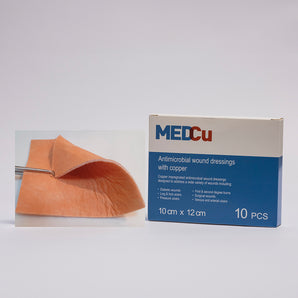
Wound care is the highest-velocity category in most hospital storerooms. Buyers typically split orders across three tiers: basic gauze and adhesive dressings, an advanced wound care range for chronic wounds and pressure injuries, and antimicrobial wound dressings for infected or high-risk sites.
For diabetic foot ulcers and post-surgical exudate management, a hydrocolloid wound dressing is often the clinical default. Our full wound care product range covers these tiers, and our wound care product selection guide walks through indication-by-indication choices.
IV Medical Supplies, Administration Sets, and Infusion Consumables
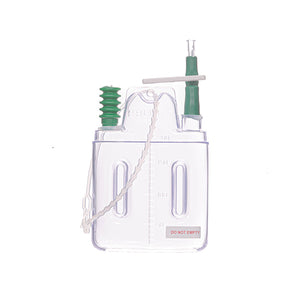
IV consumables are the category where lead time failures hurt most, because substitution is limited and clinical demand is constant. A standard 200-bed private hospital burns through several thousand administration sets, cannuale, and extension lines per month.
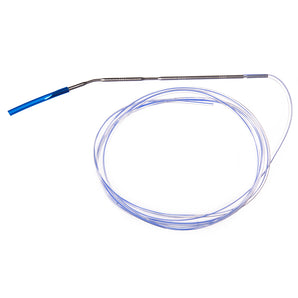
Our IV medical supplies range covers administration sets, cannulae, extension lines, and three-way taps. For a full procurement breakdown, see our guide to IV medical supplies procurement in SA.
PPE, Surgical Consumables, and Theatre Essentials
Theatre packs, sterile gloves, surgical drapes, and respiratory care products sit alongside our pharmacology range in most multi-site orders. The procurement question here is rarely price alone. It is pack configuration, sterility validation, and consistency of supply across hospital sites.
Medical Supplies Wholesale in South Africa: Bulk Buying and Cost-Per-Unit Considerations
Wholesale medical supplies pricing in South Africa is driven by three variables: order volume, packaging configuration, and contract length. Spot orders almost always carry a premium of 8% to 15% over a 12-month committed contract for the same SKU.
Where procurement teams typically leave money on the table:
-
Mixed-SKU pallets. Ordering 40 different SKUs in small quantities raises pick-and-pack cost, which means the per-unit price reflects handling, not the product.
-
Short contract horizons. Quarterly buying cycles prevent suppliers from forward-purchasing raw material at favourable rates.
-
Ignoring landed cost. A 4% cheaper imported dressing can cost 12% more once forex, clearing, and demurrage are added.
For multi-site hospital groups, a consolidated contract across wound care, IV, and respiratory categories typically delivers a 6% to 11% saving versus category-by-category tendering. Which means the right unit of analysis is total cost of supply, not line-item price.
We quote on a bulk basis, with tiered pricing for committed volumes. Procurement officers ordering for multi-site groups should request a consolidated quote covering all six categories rather than separate enquiries per SKU.
Regional Sourcing: Medical Supplies in Durban, Johannesburg, and Cape Town
Where your supplier is physically located matters more than buyers often credit. Distance to the warehouse drives lead time, freight cost, and how quickly emergency stock can reach a ward.
Durban (KwaZulu-Natal). Our head office, cleanroom, and main warehouse sit in Durban, which means KZN facilities typically receive standard orders within 24 to 48 hours. Medical supplies in Durban also benefit from proximity to the port, shortening clearance times on imported specialty lines.
Johannesburg and Pretoria (Gauteng). Gauteng accounts for the largest concentration of private hospital beds in the country. Standard road freight from Durban runs 2 to 3 business days, with daily dispatch.
Cape Town (Western Cape). Standard lead time is 3 to 5 business days by road. For urgent orders, air freight is available at a premium.
We also dispatch to Bloemfontein, East London, Gqeberha (Port Elizabeth), Polokwane, and rural facilities in all nine provinces. Which means a single supplier relationship can cover a national hospital group without juggling regional vendors.
Lead Times, Logistics, and Supply Chain Risk Management
Lead time is the procurement metric that most often gets quoted optimistically and delivered poorly. Realistic planning beats a hopeful schedule every time.
Honest lead time ranges for the South African market:
-
Locally manufactured wound care and IV consumables: 24 hours to 5 business days, depending on destination province.
-
Imported specialty dressings and advanced wound care: 4 to 8 weeks for restock if not held in local stock.
-
Pharmacology lines requiring cold chain: add 1 to 2 days for validated dispatch handling.
For specialised imported product lines, lead times can extend beyond the published window when port congestion or forex constraints bite. We hold buffer stock on our highest-velocity SKUs, which means routine orders are insulated from upstream shocks. Speciality items remain a different conversation.
Three risk controls procurement teams should require from any supplier:
-
Safety stock policy in writing, expressed in weeks of cover.
-
Backup logistics partner for road freight disruption.
-
Documented escalation contact for after-hours emergencies.
Local manufacturing in Durban removes one full layer of supply chain risk: the cross-border shipping leg.
Evaluating Suppliers: Tenders, Contracts, and Comparable Alternatives
A defensible supplier scorecard weighs price, but does not start there. We recommend a five-criterion framework for evaluating wound dressing suppliers in South Africa and any medical supplies wholesale partner.
Supplier evaluation criteria:
|
Criterion |
What to verify |
Weight |
|---|---|---|
|
SAHPRA registration |
Licence number and product registrations |
25% |
|
Local manufacturing |
SA cleanroom capability, batch records |
20% |
|
Lead time reliability |
OTIF performance over 12 months |
20% |
|
Total landed cost |
Unit price plus freight, forex, handling |
20% |
|
Clinical support |
Product selection guidance available |
15% |
For public sector buyers, RT3 and provincial contract compatibility is a sixth criterion. We supply into both private hospital groups and public sector facilities through these tender mechanisms, which means a single supplier relationship can carry across both buyer types.
Our Dynamed Clinical Team is available for product selection guidance on complex wound and IV cases. This is the layer that most generic wholesalers do not offer, and the one that prevents the wrong dressing reaching the wrong wound. Comparable alternatives exist in the South African market, and we encourage buyers to benchmark on the criteria above rather than on a single line-item price.
Get a Quote for Medical Supplies
Procurement decisions in 2026 will reward buyers who consolidate across categories, verify SAHPRA status before ordering, and choose suppliers with SA-based manufacturing to limit forex and lead time exposure. Dynamed Pharmaceuticals covers all six core categories from our Durban cleanroom and distributes into all nine provinces, which means a single supplier relationship can carry most of your catalogue.
Ready to move? Request a bulk quote with your SKU list and delivery province, or browse our full product range. Our team responds to procurement enquiries within one business day, and our clinical advisors are available when product selection questions need a second opinion.