
IV drip equipment is a network of sterile medical devices - including cannulas, administration sets, regulators, and access connectors - used to deliver fluids, medications, blood products, and nutrition directly into a patient's vascular system. In South Africa, IV drip equipment is regulated by SAHPRA and classified by the WHO as critical to safe medication administration, making ISO 13485 certification and SABS-aligned quality control non-negotiable baselines for clinical procurement. This guide covers the essential components of a reliable IV drip setup, the clinical and operational benefits of IV therapy, and the specialised sets required for critical and precision care environments across SA clinics and hospitals.
-
Rapid bioavailability - IV therapy delivers fluids and medication directly into the bloodstream, reaching therapeutic levels within minutes; essential in sepsis, trauma, and dehydration
-
Precise dosing - calibrated burette sets and regulators allow clinicians to titrate volumes accurately for paediatric, oncology, and ICU patients
-
Continuous vascular access - a single cannulation supports multiple interventions over 72–96 hours, reducing patient discomfort and nursing workload
-
Reduced infection risk - closed-system devices such as T-connector extension sets minimise touch contamination and lower catheter-related bloodstream infection (CRBSI) rates
-
Procurement compliance - standardising on locally manufactured, SAHPRA-registered IV drip equipment reduces lead times, simplifies audit trails, and supports NHI framework requirements
Key Takeaways
-
IV drip equipment is a critical foundation for safe medication administration in South African healthcare, with ISO 13485 certification and SAHPRA registration serving as essential quality baselines.
-
IV drip therapy delivers fluids and medications within minutes, enables precise dosing for vulnerable patient populations, and reduces nursing workload through continuous vascular access over 72–96 hours.
-
Standard peripheral access relies on winged cannulas with radiopaque catheters and low-priming extension sets that minimize contamination risk and mechanical complications.
-
Critical care environments require specialized IV equipment including arterial catheters, CVP monitoring sets, and burette infusion chambers with safety features endorsed by medication safety institutes.
-
Standardizing on locally manufactured, certified IV drip equipment reduces procurement lead times, streamlines audits and supports compliance with South Africa's National Health Insurance framework.
What Is IV Drip Equipment and Why It Matters in Modern Healthcare
IV drip equipment is the network of sterile devices used to deliver fluids, medication, blood products and nutrition directly into a patient's vascular system. A typical assembly includes a cannula, an administration set, a regulator or pump, connectors, and access ports, each engineered to maintain a closed, contamination-free pathway from bag to bloodstream.
For SA clinics, the importance goes beyond convenience. Intravenous therapy is one of the most common interventions in acute care, and the World Health Organization classifies infusion devices as critical to safe medication administration. Poorly manufactured IV drip equipment introduces risks of phlebitis, infiltration and bloodstream infection, outcomes that lengthen stays and inflate costs.
That is why procurement decisions should weigh ISO 13485 certification, SAHPRA registration and SABS-aligned quality control as non-negotiable baselines, not optional extras.
Key Benefits of IV Drip Therapy for Patients and Clinicians
The clinical benefits of IV drip therapy are well documented, and they translate directly into operational gains for hospitals and clinics.
-
Rapid bioavailability: Fluids and medication bypass the digestive tract, reaching therapeutic levels within minutes, critical in sepsis, trauma and dehydration.
-
Precise dosing: Calibrated regulators and burette sets allow clinicians to titrate volumes accurately, especially for paediatric and ICU patients.
-
Continuous access: A single cannulation supports multiple interventions over 72–96 hours, reducing patient discomfort and nursing workload.
-
Improved patient comfort: Modern winged cannulas and soft extension sets minimise movement at the insertion site, lowering the risk of mechanical phlebitis.
-
Workflow efficiency: Standardised, pre-sterilised components shorten setup time and reduce procurement complexity for ward managers.
For procurement leaders, these benefits compound when the supply chain is consistent. Predictable batch quality means fewer adverse events, smoother audits and stronger tender outcomes, exactly what facilities operating under South Africa's National Health Insurance framework increasingly require.
Core Components of a Reliable IV Drip Setup
A complete IV drip system is only as strong as its weakest connector. Below are the foundational components every SA clinic should standardise on, with two devices that consistently perform across general wards, day clinics and outpatient infusion rooms.
IV Cannula With Out Injection Port and Wings
The IV Cannula with Out Injection Port & Wings is a workhorse for routine peripheral access. The wings provide a stable anchor point for taping, reducing micromovement and the risk of dislodgement during patient transfer. Without an injection port, the device offers a streamlined, lower-profile profile, ideal for short-term infusions where additional bolus access is not required.
Manufactured in an ISO 8 cleanroom and supplied sterile, our cannula uses a radiopaque PTFE catheter for clear imaging visibility and a tri-bevelled needle tip for smoother first-stick success. For nursing teams, that means fewer reattempts, less patient distress and a measurable drop in consumable wastage.
Mini Volume Extension Set 12cm (T-Connector) Sterile
The Mini Volume Extension Set 12cm (T-Connector) Sterile bridges the cannula and the primary line, giving clinicians a low-priming-volume access point for medication boluses and flushes. Its 12 cm length is short enough to limit dead space, important in paediatric and neonatal care, yet long enough to keep manipulation away from the insertion site.
The T-connector design supports closed-system administration, reducing the touch contamination risk that drives catheter-related bloodstream infections (CRBSIs).
Specialized IV Sets for Critical and Precision Care
General wards run on standard sets, but ICUs, theatres and high-care units need precision instruments. These four specialised devices form the backbone of critical-care IV protocols in South African hospitals.
Arterial Catheterization Set, CVP Monitoring Set, Burette Infusion Set, and Infusion Regulator
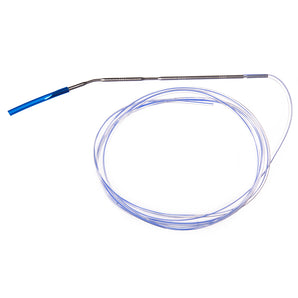
Arterial Catherization Set - Sterile: Used for continuous blood pressure monitoring and arterial blood gas sampling, this set is essential in theatre and ICU environments. The Seldinger-compatible design supports safe placement in radial or femoral arteries, with a kink-resistant catheter that maintains accurate waveforms over extended monitoring periods.
Central Venous Pressure Monitoring Set 3 Way Stopcock: CVP monitoring guides fluid resuscitation in shock, sepsis and post-cardiac surgery. Our 3-way stopcock configuration allows clinicians to switch between pressure transduction, fluid administration and blood sampling without breaking the sterile circuit.
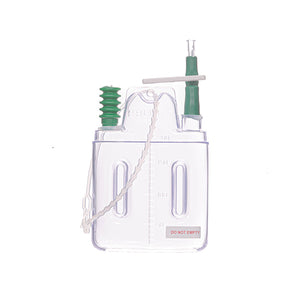
Burette Infusion Set 150ml: Volume-controlled administration is non-negotiable in paediatrics and oncology. The 150 ml graduated chamber prevents accidental over-infusion, with a floating valve that automatically halts flow when the chamber empties, a critical safety feature endorsed by the Institute for Safe Medication Practices.
Infusion Regulator: When electronic pumps are unavailable or unsuitable, a manual flow regulator delivers accurate millilitre-per-hour dosing. It's a cost-effective option for step-down units, ambulatory clinics and rural facilities operating across the SADC region.
Together, these sets give clinicians the granularity needed for high-acuity care while keeping procurement standardised under one trusted manufacturer.
Bringing it together: Choosing IV drip equipment is eventually a decision about clinical risk, regulatory readiness and supply stability. SA clinics that standardise on locally manufactured, ISO-certified devices gain shorter lead times, simpler audit trails and consistent batch performance. We build every component, from cannula to regulator, to meet those expectations, so your teams can focus on patient outcomes rather than supply gaps.
Frequently Asked Questions About IV Drip Equipment
What is IV drip equipment and why is it critical in healthcare?
IV drip equipment is a network of sterile devices - including cannulas, administration sets, regulators, and connectors - that deliver fluids, medications, and blood products directly into the vascular system. It's critical because intravenous therapy is one of the most common acute-care interventions, and WHO classifies infusion devices as essential to safe medication administration.
What are the key benefits of IV drip therapy for patients?
IV drip therapy offers rapid bioavailability (therapeutic levels within minutes), precise dosing for titration, continuous access over 72–96 hours, improved comfort through modern winged cannulas, and workflow efficiency with pre-sterilised, standardised components that reduce setup time.
What certifications should I look for when procuring IV drip equipment in South Africa?
ISO 13485 certification, SAHPRA registration, and SABS-aligned quality control are non-negotiable baselines for IV drip equipment procurement in South Africa. These ensure regulatory compliance, batch consistency, and reduced clinical risk in healthcare facilities.
What is the difference between an IV cannula with and without an injection port?
An IV cannula without an injection port offers a streamlined, lower-profile design ideal for short-term infusions where additional bolus access isn't required. Winged cannulas without ports reduce micromovement and dislodgement risk during patient transfers.
When should a burette infusion set be used instead of standard IV sets?
Burette infusion sets are essential in paediatrics and oncology for volume-controlled administration. The 150 ml graduated chamber prevents accidental over-infusion, and the floating valve automatically halts flow when empty - a critical safety feature endorsed by the Institute for Safe Medication Practices.
What are catheter-related bloodstream infections and how does proper IV equipment reduce this risk?
Catheter-related bloodstream infections (CRBSIs) are serious complications from contamination during IV administration. Closed-system devices like mini volume extension sets with T-connectors reduce touch contamination, and ISO-certified equipment manufactured in sterile environments significantly lowers CRBSI risk.